Udaipur [India], November 18: Sometimes, a significant social movement begins with a deeply personal experience. For Abhishek Pandey, Founder of Mewar Bachao Manch, the journey towards improving public toilet facilities in Udaipur began with an incident involving his own mother. What started as a personal concern has gradually transformed into a citizens’ campaign aimed at improving cleanliness, hygiene and access to separate toilet facilities for women across the city.
The incident took place during a visit to a government office for registry-related work, when his mother needed to use a toilet. However, the family was surprised to discover that the office did not have a separate toilet facility for women. The available facility was common for both men and women. The experience raised an important question: If women cannot access a clean, safe and separate toilet even while visiting government offices for essential work, how can public infrastructure truly be considered inclusive?
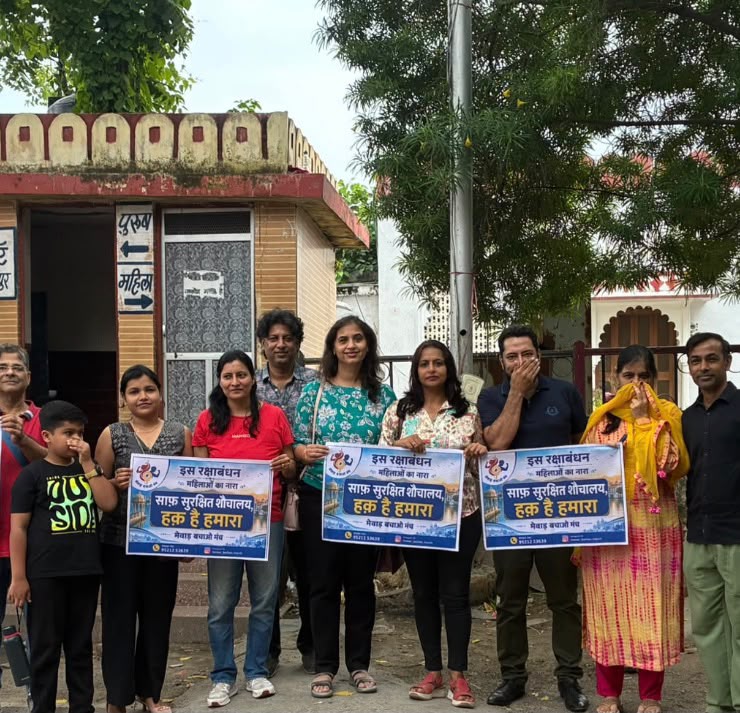
Rather than treating the incident as an isolated inconvenience, Pandey decided to raise the issue at a broader level through Mewar Bachao Manch. The organisation initiated a public awareness campaign titled “साफ़ शौचालय, हक़ है हमारा” (Clean Toilets Are Our Right), highlighting the need for separate toilets for women and men, proper hygiene, regular maintenance and accountability at government offices, bus stands and other public places.
The campaign soon developed into a collective citizens’ initiative, with members visiting different public toilet facilities, examining their conditions and recording videos to bring shortcomings to the attention of the administration. The objective was to document actual ground realities and encourage the concerned departments to take corrective action instead of allowing public complaints to remain unanswered.
One of the significant developments associated with the campaign has been the construction of a separate toilet facility for women at the Registry Office. For Pandey, this development carries special importance because the movement itself originated from the difficulty experienced by his mother at the same location. What began as a personal concern has now become an example of how sustained citizen engagement can help bring attention to basic civic requirements and encourage administrative improvements.
The movement has also expanded its focus beyond the Registry Office. Mewar Bachao Manch is now working towards monitoring the condition of 66 public toilets across Udaipur. A monitoring committee is being formed to regularly assess cleanliness, hygiene, water availability, maintenance and the usability of facilities, particularly those meant for women. The intention is to establish a continuous monitoring mechanism that can identify problems, document shortcomings and ensure that the responsible authorities are informed about the necessary improvements.
Another important area of intervention is Udaipur Bus Stand, where the condition of public toilet facilities has also been raised by the organisation. Following the campaign's efforts and representations, the bus stand management has issued an order for a tender process to improve toilet facilities. This development is expected to pave the way for better infrastructure for passengers who depend on the bus stand every day. The organisation is also following renovation and improvement work at several other locations, with an emphasis on ensuring that the facilities are not only upgraded but also maintained properly over time.
Taking the initiative a step further, Mewar Bachao Manch will propose an AI-based monitoring model to the government. The proposal will aim to use photographs submitted by designated local personnel to assess the cleanliness and maintenance conditions of public toilets. Artificial intelligence could analyse these photographs against predefined parameters and generate reports highlighting maintenance gaps, recurring problems and locations requiring immediate attention.
If approved and implemented, the proposed technology could introduce a more transparent and systematic approach to public toilet monitoring. It could help authorities track the condition of all 66 identified facilities, identify recurring issues and evaluate improvements over time. The proposal reflects the organisation's intention to combine public participation with technology to strengthen civic accountability. The AI-based system is currently a proposal and its implementation will depend on the government's consideration and approval.
The campaign has also received newspaper coverage, including reports highlighting the initiatives of Mewar Bachao Manch. A report published in Patrika, Udaipur, highlighted the organisation's new campaign against poorly maintained public toilets and its efforts to inspect facilities, record videos and bring civic problems to the attention of the administration. Another report in Agamya Media highlighted the campaign's progress and the concrete steps being taken by the administration towards improving public toilet facilities.
At the heart of this movement is a simple but important belief: access to clean and separate toilets is not a privilege; it is a basic necessity and a matter of dignity. Women, elderly citizens and children should not have to compromise their health, comfort or safety because public facilities are inadequate or poorly maintained.
Mewar Bachao Manch maintains that the objective of the campaign is not to oppose the administration but to work constructively with government departments, local authorities and citizens to improve essential civic infrastructure. By identifying problems, presenting evidence and following up on administrative action, the organisation aims to encourage a more accountable and responsive public system.
From an incident involving his mother to the construction of a separate toilet at the Registry Office, from raising concerns at the Udaipur Bus Stand to proposing AI-based monitoring for 66 public toilets, the journey reflects how one citizen's determination can develop into a wider movement for public welfare.
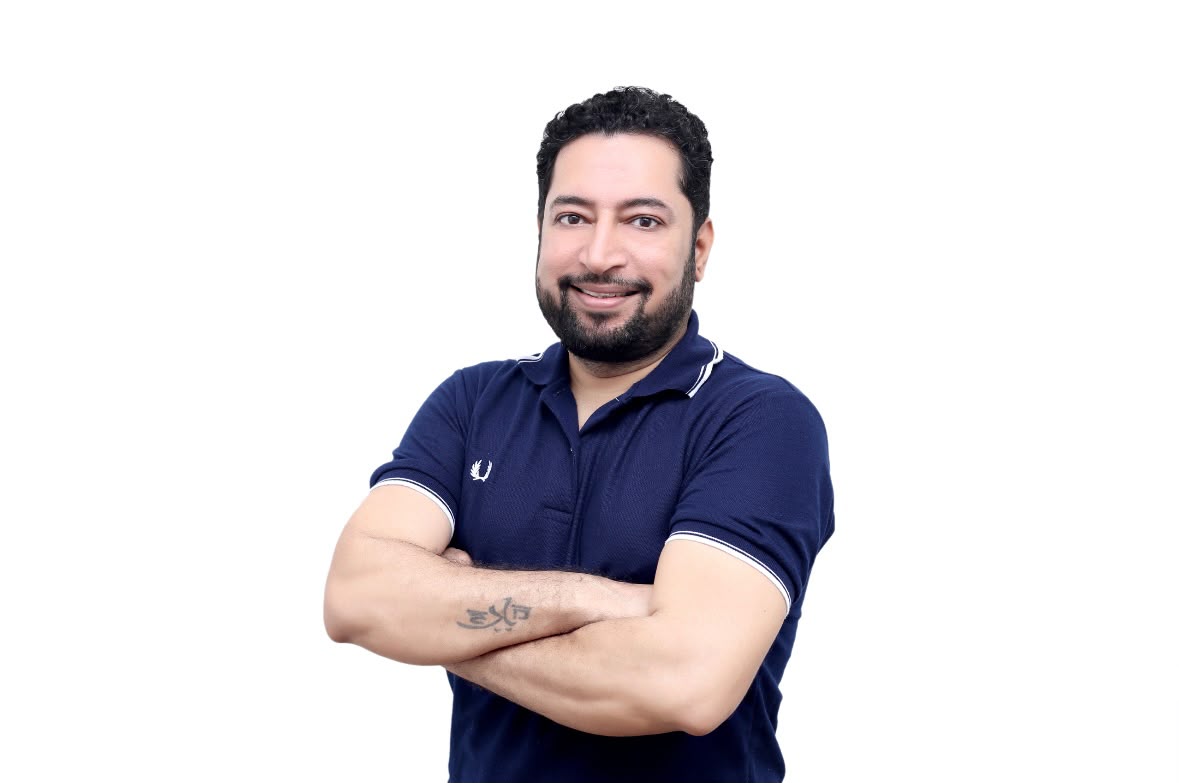
For Abhishek Pandey, the mission goes beyond infrastructure or municipal facilities. It is about ensuring that every woman can visit a government office, travel through a bus stand or access any public place without worrying about the availability of a clean and separate toilet.
“My objective is simple: No woman in Udaipur should ever have to think twice before visiting a public place because there is no clean and separate toilet facility. This is not a favour we are asking for; it is her right.”
Through Mewar Bachao Manch, this message is now reaching beyond individual complaints and becoming a sustained effort towards a cleaner, safer and more dignified Udaipur.
Social Media : @abhishekpandeykp